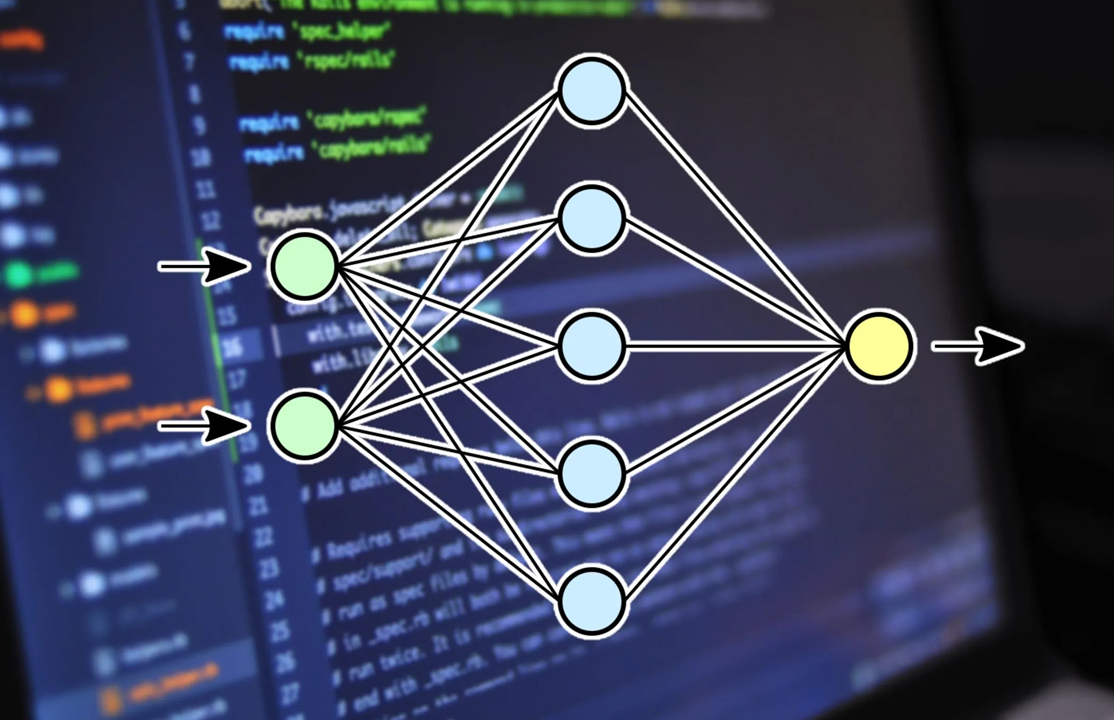
AI-Assisted Programming: Revolutionizing Software Development
Artificial Intelligence (AI) has permeated almost every aspect of our lives, and software development is no exception. AI-assisted programming is transforming how developers write, test, and optimize code, making the process more efficient, accurate, and accessible. This revolution is reshaping the software industry, empowering developers with tools that enhance productivity and innovation.
The Rise of AI-Assisted Programming AI-assisted programming refers to the use of AI tools and models to aid developers in writing, optimizing, and debugging code. These tools range from simple code autocomplete features to sophisticated AI models capable of generating entire codebases or even learning from a developer's coding style to offer personalized suggestions. One of the most prominent examples is GitHub Copilot, powered by OpenAI's Codex. This AI-powered tool can suggest entire lines or blocks of code based on the context of what a developer is writing. It’s like having an AI-powered pair programmer that’s always available, helping to speed up the coding process and reduce the cognitive load on developers.
Benefits of AI-Assisted Programming Increased Productivity: AI tools can significantly speed up the coding process by offering suggestions, automating repetitive tasks, and even generating code snippets. Developers can focus on more complex, creative aspects of their work rather than getting bogged down by routine coding tasks.
Error Reduction: AI models trained on vast amounts of code can identify potential bugs and errors before they become issues. By suggesting corrections or highlighting problematic areas, AI can help developers write cleaner, more reliable code from the start.
Learning and Skill Development: For less experienced developers, AI-assisted programming tools can serve as valuable learning aids. By observing the suggestions and corrections made by AI, junior developers can quickly improve their skills and learn best practices.
Enhanced Collaboration: AI tools can bridge the gap between team members with varying skill levels, making it easier for teams to collaborate. AI can ensure that even novice programmers contribute effectively, as the AI assists in generating and refining code.
Accelerated Prototyping and Innovation: With AI handling much of the groundwork, developers can experiment more freely and iterate faster. This acceleration can lead to quicker prototyping and innovation, allowing companies to bring new products to market faster.
Challenges and Considerations While AI-assisted programming offers numerous benefits, it’s not without its challenges:
Over-reliance on AI: Developers might become too dependent on AI suggestions, leading to a decline in their problem-solving skills and creativity. It’s important for developers to maintain a balance, using AI as a tool rather than a crutch.
Code Quality and Security: AI-generated code may not always meet the highest standards of quality and security. Developers need to thoroughly review and test AI-suggested code to ensure it aligns with best practices and security guidelines.
Ethical Considerations: AI models are trained on large datasets that may include copyrighted code or code with biases. This raises ethical questions about the ownership of AI-generated code and the potential for embedding biases into software.
Integration and Adoption: Integrating AI tools into existing workflows can be challenging, especially for larger teams with established processes. There’s also a learning curve associated with adopting new AI tools, which can temporarily disrupt productivity.
The Future of AI-Assisted Programming The future of AI-assisted programming looks incredibly promising. As AI models become more sophisticated, we can expect even greater levels of automation and assistance. AI could soon be capable of handling more complex tasks, such as architecture design, refactoring legacy code, or even generating entire applications based on high-level requirements.
Moreover, as natural language processing (NLP) technology improves, we may see AI tools that allow developers to write code using conversational language, bridging the gap between human intent and machine execution.
AI-assisted programming also has the potential to democratize software development. With AI handling much of the technical complexity, non-developers or those with limited coding experience might be able to create software, bringing new perspectives and ideas into the development process.
Conclusion AI-assisted programming is revolutionizing the way software is developed, offering unprecedented levels of productivity, error reduction, and innovation. While there are challenges to navigate, the benefits are undeniable, making AI a powerful ally for developers.
As AI tools continue to evolve, the role of the developer will also change, shifting from routine coding tasks to more creative and strategic work. The future of software development is undoubtedly intertwined with AI, and those who embrace this technology will be at the forefront of the next wave of digital innovation.
The Rise of AI-Assisted Programming AI-assisted programming refers to the use of AI tools and models to aid developers in writing, optimizing, and debugging code. These tools range from simple code autocomplete features to sophisticated AI models capable of generating entire codebases or even learning from a developer's coding style to offer personalized suggestions. One of the most prominent examples is GitHub Copilot, powered by OpenAI's Codex. This AI-powered tool can suggest entire lines or blocks of code based on the context of what a developer is writing. It’s like having an AI-powered pair programmer that’s always available, helping to speed up the coding process and reduce the cognitive load on developers.
Benefits of AI-Assisted Programming Increased Productivity: AI tools can significantly speed up the coding process by offering suggestions, automating repetitive tasks, and even generating code snippets. Developers can focus on more complex, creative aspects of their work rather than getting bogged down by routine coding tasks.
Error Reduction: AI models trained on vast amounts of code can identify potential bugs and errors before they become issues. By suggesting corrections or highlighting problematic areas, AI can help developers write cleaner, more reliable code from the start.
Learning and Skill Development: For less experienced developers, AI-assisted programming tools can serve as valuable learning aids. By observing the suggestions and corrections made by AI, junior developers can quickly improve their skills and learn best practices.
Enhanced Collaboration: AI tools can bridge the gap between team members with varying skill levels, making it easier for teams to collaborate. AI can ensure that even novice programmers contribute effectively, as the AI assists in generating and refining code.
Accelerated Prototyping and Innovation: With AI handling much of the groundwork, developers can experiment more freely and iterate faster. This acceleration can lead to quicker prototyping and innovation, allowing companies to bring new products to market faster.
Challenges and Considerations While AI-assisted programming offers numerous benefits, it’s not without its challenges:
Over-reliance on AI: Developers might become too dependent on AI suggestions, leading to a decline in their problem-solving skills and creativity. It’s important for developers to maintain a balance, using AI as a tool rather than a crutch.
Code Quality and Security: AI-generated code may not always meet the highest standards of quality and security. Developers need to thoroughly review and test AI-suggested code to ensure it aligns with best practices and security guidelines.
Ethical Considerations: AI models are trained on large datasets that may include copyrighted code or code with biases. This raises ethical questions about the ownership of AI-generated code and the potential for embedding biases into software.
Integration and Adoption: Integrating AI tools into existing workflows can be challenging, especially for larger teams with established processes. There’s also a learning curve associated with adopting new AI tools, which can temporarily disrupt productivity.
The Future of AI-Assisted Programming The future of AI-assisted programming looks incredibly promising. As AI models become more sophisticated, we can expect even greater levels of automation and assistance. AI could soon be capable of handling more complex tasks, such as architecture design, refactoring legacy code, or even generating entire applications based on high-level requirements.
Moreover, as natural language processing (NLP) technology improves, we may see AI tools that allow developers to write code using conversational language, bridging the gap between human intent and machine execution.
AI-assisted programming also has the potential to democratize software development. With AI handling much of the technical complexity, non-developers or those with limited coding experience might be able to create software, bringing new perspectives and ideas into the development process.
Conclusion AI-assisted programming is revolutionizing the way software is developed, offering unprecedented levels of productivity, error reduction, and innovation. While there are challenges to navigate, the benefits are undeniable, making AI a powerful ally for developers.
As AI tools continue to evolve, the role of the developer will also change, shifting from routine coding tasks to more creative and strategic work. The future of software development is undoubtedly intertwined with AI, and those who embrace this technology will be at the forefront of the next wave of digital innovation.